Is My Business “For the Internet”? A Research-Backed Guide to Online Value for Any Business

The question "Is my business for the internet?" usually comes from a narrow definition of being online:
"Do I sell products through an online shop?"
In reality, the internet influences customer decisions long before a purchase happens — especially for local services and offline-first companies.
Mobile search has become a digital front door to physical businesses. A widely cited
General Website Statistics: Key Numbers
- 1.88 billion websites exist today, and 200 million of them are active.
- 175 websites go live every single minute.
- 71% of small businesses have a website.
- 67.56% of all website traffic comes from mobile users.
- 94% of first impressions are based on website design.
- 75% of users judge a company's credibility by its website design.
- 3.21 seconds is the average load time for websites.
- Around 30,000 websites are hacked daily.
Sources: (Statista, U.S. Chamber of Commerce, similarweb, Forrester Research, Stanford University, Pingdom, Linkedin)
Google study found that:
- 30% of mobile searches are related to location
- 76% of people who search for something nearby visit a business within a day
- 28% of those searches lead to a purchase
At the same time, trust is increasingly mediated by public proof. According to
BrightLocal's 2026 Local Consumer Review Survey:
- 97% of consumers read reviews for local businesses
- 41% always read reviews when browsing
- 85% are more likely to use a business after positive reviews
If you combine those behaviors (search → reviews → website/social → action), you get a simple reality:
A business doesn't need to be ecommerce-first to benefit from online presence — it only needs customers who use the internet to choose.
What "Online Presence" Actually Means
Online presence is not "just a website." It is a system of trust signals and conversion points, including:
- A website (even one page) that confirms you're real
- A Google Business Profile listing that appears in maps
- Reviews and responses
- Social profiles
- Service pages or booking pages
- Content that answers real customer questions
The internet is not an "extra marketing layer."
It is an operating layer of modern business.
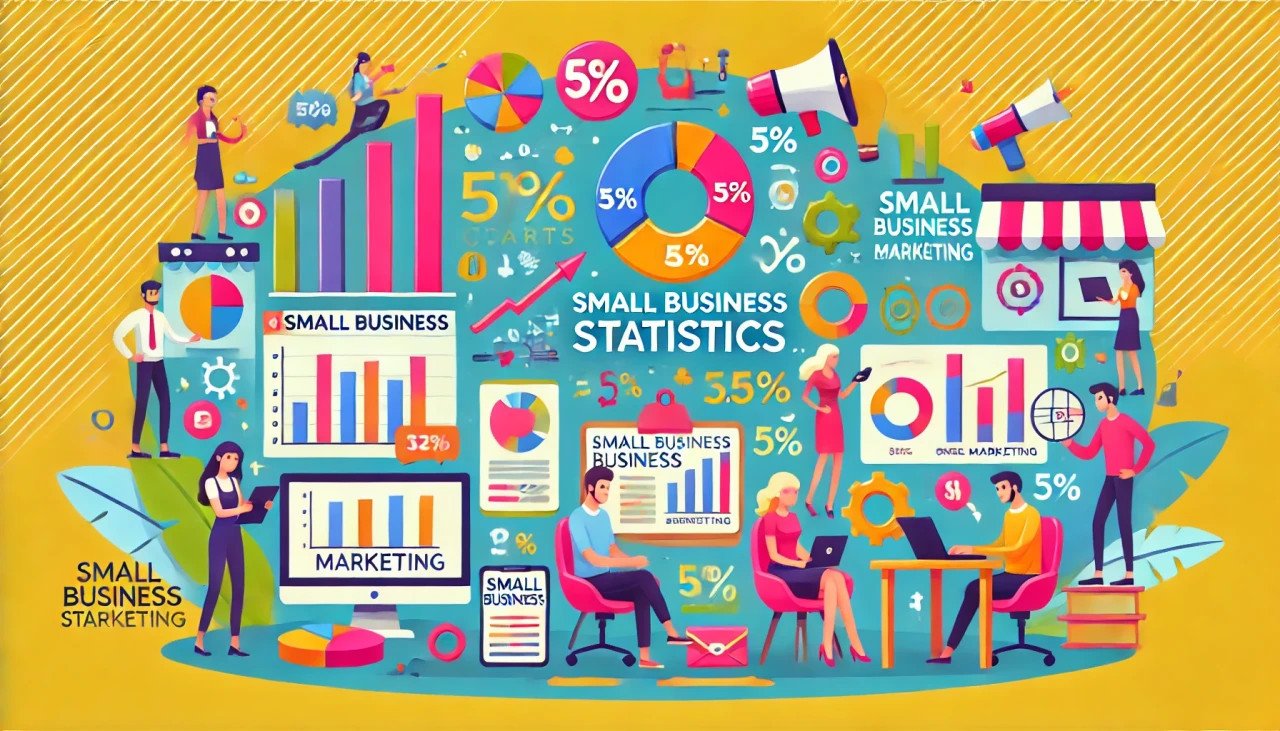
Powerful Website Statistics For SMB & B2B (2026 updated) by BusinessDasher - Blog
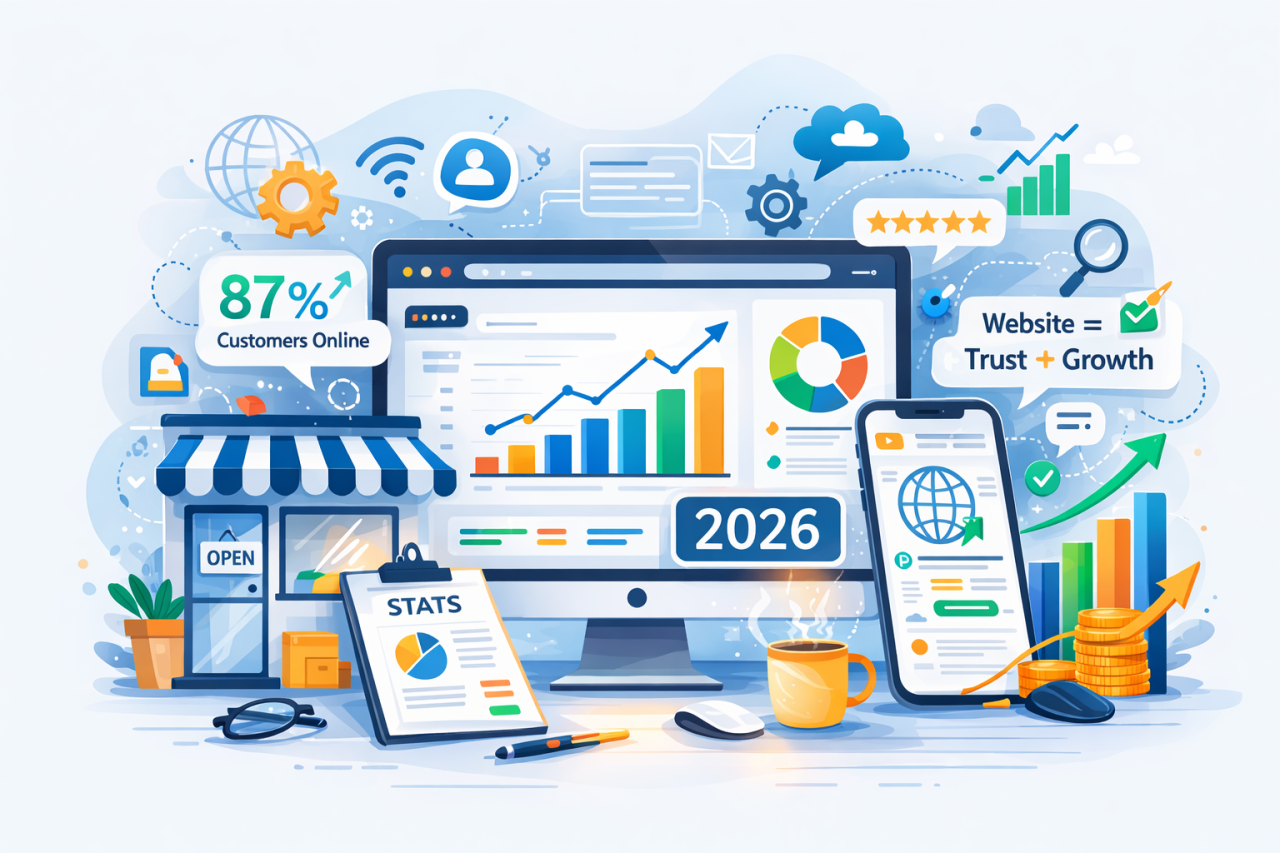
Why Small Businesses still Need a Website in 2026 (Backed by Real Statistics) - Blog
15 Reasons Why Online Presence Is Important for Small Businesses
1️⃣ Customers Search Online First
Before visiting a business, most customers check the internet for:
- location
- reviews
- photos
- services
If your business is not online, it may simply not exist for many potential customers.
A professional website signals legitimacy.
Studies show that 75% of people judge a company's credibility based on its website design.
Without a website, customers may assume the business is outdated or unreliable.
Search engines and map listings help people find businesses nearby.
Many customers search things like:
- "restaurant near me"
- "plumber in my area"
- "hair salon near me"
Online presence increases discoverability.
Unlike a physical location, a website works all day.
Customers can:
- read about services
- check prices
- book appointments
- contact you
even outside working hours.
Small businesses can compete online with larger companies by:
- targeting niche markets
- using local SEO
- building strong community presence
A good website can level the playing field.
A website acts as a digital showroom.
You can present:
- services
- product catalog
- projects
- before/after work
- portfolios
This helps customers understand what you offer.
Even without selling online, websites generate:
- phone calls
- quote requests
- appointment bookings
- contact form submissions
These leads often convert into real revenue.
Online reviews strongly affect purchasing decisions.
Most customers read reviews before choosing a business.
Positive reviews build trust and increase conversions.
Online presence helps communicate:
- brand personality
- values
- story
- expertise
A consistent online identity makes a business more memorable.
A website acts as the central hub for digital marketing.
Social media profiles usually link back to the website where customers can learn more.
The website connects all digital channels.
Customers often compare several businesses online before choosing.
If competitors have websites and you don't, they may appear more professional.
Online presence keeps you in the competition.
Compared to traditional advertising, websites and digital marketing are often more affordable.
Small businesses can attract customers through:
- SEO
- content marketing
- social media
- email newsletters
Publishing useful content such as:
- guides
- blog posts
- tips
- tutorials
helps position a business as an expert in its field.
This increases trust and authority.
Customers often look for simple details:
- address
- phone number
- opening hours
- service area
- pricing
Online presence ensures this information is always accessible.
Over time, online presence builds:
- brand recognition
- customer loyalty
- organic search visibility
- digital reputation
This creates a stable foundation for future growth.
Small Business Websites: 8 Reasons Why You Need One in 2026 by CyberOptik - Blog
Top 10 reasons why every business needs an internet presence - Blog
Three Types of Online Benefits for Any Business
Every business can benefit online in at least one of these three ways:
- Direct Online Sales
- Indirect Sales (Lead Generation)
- Marketing & Brand Building
Most businesses benefit from two or all three.
Direct Online Sales (Transaction Happens Online)
Direct online sales means the website takes payment or confirms a booking.
This includes:
- Ecommerce stores
- Online appointments
- Service deposits
- Prepaid packages
- Digital products
- Quote-to-pay workflows
U.S. Census data shows ecommerce accounted for 16.4% of total retail sales (Q3 2025).
Eurostat reports that 78% of EU internet users aged 16–74 bought goods or services online in 2025.
Customers are conditioned to complete transactions online.
What direct sales unlocks:- 24/7 revenue
- Faster decision-making
- Lower friction
- Clear ROI tracking
Indirect Sales (Online Drives Offline Revenue)
This is where most local businesses win.
Indirect sales include:
- Phone calls from Google
- Direction requests
- Form submissions
- Quote requests
- Bookings paid later
- Walk-ins influenced by research
Remember:
- 76% of local mobile searches result in a store visit within 24 hours
- 54% of consumers visit a business website after reading reviews
Online presence shapes offline sales.
Marketing & Brand Building (Trust at Scale)
Marketing is not "likes."
It is credibility signaling.
Stanford research found that 46.1% of people judge credibility based on website design alone.
Design equals trust.
BrightLocal research also shows:
- 47% won't use a business with fewer than 20 reviews
- 74% look for reviews from the last 3 months
Modern marketing is:
- Search presence
- Content answers
- Testimonials
- Consistency across platforms
- Social proof
Case Studies: How Real Businesses Benefit from All Three Types of Online Presence
Case Study 1: Luxury Hair Salon – From Local Visibility to 53% More Bookings

(Service-based local business)
A premium hair salon operated successfully for years through word of mouth. However, they had:
- No proper website
- No structured booking system
- Inconsistent social presence
- Limited Google visibility
After building a proper online system, three layers of benefit emerged.
1️⃣ Direct Online Sales (Bookings Paid Online)
The salon introduced:
- Online appointment booking
- Prepaid service packages
- Gift cards
This immediately created:
- 24/7 booking availability
- Fewer no-shows (due to deposits)
- Easier upselling of premium treatments
Result:
📈 53% increase in bookings within 6 weeks after combining a booking landing page with paid ads.
Even though it's not "ecommerce," booking IS direct revenue online.
2️⃣ Indirect Sales (Discovery → Visit → Offline Spend)
The salon optimized:
- Google Business Profile
- Review requests
- Service-specific pages (e.g., balayage, keratin, bridal styling)
Customers began finding them via:
- "Hair salon near me"
- "Luxury balayage [city]"
Many users:
- Checked reviews
- Viewed photos
- Visited Instagram
- Then booked or walked in
Result:
📍 Increased first-time customers
📞 Higher call volume
🏪 Stronger walk-in conversion
This is classic indirect sales — online research → offline spending.
Case Study 2: Small Fishing Equipment Store – From Local Shop to Recognized Brand

(Retail + local + community-driven business) A small fishing equipment store relied heavily on local customers and seasonal demand.
They built:
- A structured website
- Product category pages
- Blog content for fishing tips
- Optimized Google listing
Here's what happened.
They added:
- Online ordering for selected products
- Reservation system for in-store pickup
- Featured seasonal promotions
Even modest ecommerce:
- Extended revenue beyond store hours
- Captured impulse buyers
- Increased average order value
Direct online revenue began supplementing in-store sales.
This is where growth accelerated.
They focused on:
- Appearing in Google Maps
- Publishing fishing guides
- Updating inventory info
- Displaying phone number clearly
Reported results included:
- 5,000+ monthly search/map views
- 300+ monthly actions (calls, directions, website clicks)
- 60% first-time customer discovery
Many customers researched gear online and then visited physically.
That's indirect revenue influenced by online presence.
The blog became a credibility engine:
- "Best bait for river fishing"
- "Seasonal fish guide"
- "Local lake reports"
The store became seen as:
🎣 Experts, not just sellers
🎣 Community leaders
🎣 Knowledge source
This increased loyalty and repeat purchases.
Case Study 3: Vaiviver – Ecotourism Business Promoting Brazil's Natural Heritage

Primary Online Strategy:
➡ Marketing & Brand Building
➡ Indirect Sales
Vaiviver is a small ecotourism business in Brazil that focuses on promoting the country's natural landscapes, biodiversity, and cultural heritage. The company organizes guided nature tours and experiences designed to connect visitors with Brazil's ecosystems and local traditions.
Because tourism decisions are often inspired online, Vaiviver relies heavily on its digital presence to attract travelers interested in sustainable travel and nature exploration.
The Vaiviver website focuses on inspiration and education rather than immediate online transactions. The site includes:
- destination guides
- educational content about ecosystems
- photo galleries of landscapes and wildlife
- descriptions of guided experiences
Instead of acting as a direct booking platform, the website works as a storytelling and discovery platform that helps travelers imagine their experience before contacting the company.
Vaiviver uses social media to share:
- nature photography
- travel inspiration
- environmental education
- stories about local culture
This type of content attracts travelers who care about sustainability and authentic experiences.
Online Presence ImpactFor Vaiviver, online presence mainly drives:
✔ Marketing – building awareness of the brand and ecotourism experiences
✔ Indirect sales – travelers discover the company online and later contact them to book tours
Case Study 3: Bloomspace – Online Plant Store Built Around Ecommerce and Content
Primary Online Strategy:
➡ Direct Online Sales
➡ Marketing & Brand Building
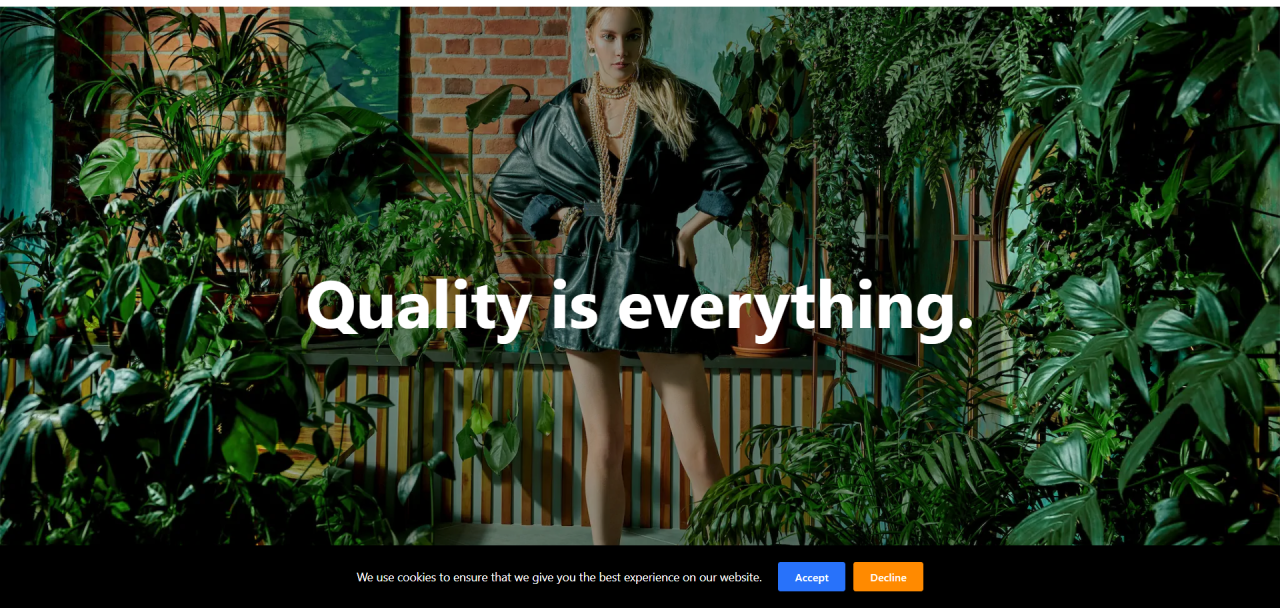
Bloomspace is a small Australian ecommerce business specializing in indoor plants and houseplants delivered directly to customers' homes. The company sources healthy plants, grows them to larger sizes, and then packages and delivers them across several Australian states.
The business operates primarily online, meaning the website is not only a marketing tool but also the main sales channel.
Bloomspace built its business around a fully functional ecommerce website where customers can browse and purchase plants online.
Key website features include:
- product pages for different indoor plants
- pricing and detailed plant descriptions
- care instructions and plant information
- categorized collections (living room plants, office plants, bedroom plants)
- online checkout and delivery options
For example, product pages explain the characteristics and care requirements of each plant, helping customers feel confident about buying plants online.
This type of content reduces uncertainty and encourages visitors to complete purchases.
Bloomspace also builds marketing value through:
- blog articles about plant care
- educational content about houseplants
- workshops and knowledge sharing about indoor plants
The company regularly shares plant knowledge to attract plant lovers and interior design enthusiasts.
Visual platforms such as Instagram and Pinterest are particularly effective for plant brands because:
- plants are visually appealing
- interior decor trends spread quickly online
- customers enjoy sharing plant photos and home styling ideas
This creates a strong lifestyle-oriented brand presence.
Results and Impact of Online PresenceBloomspace demonstrates how a small niche ecommerce brand can grow using the internet as its primary platform.
Online presence provides:
✔ Direct sales – customers purchase plants directly through the website
✔ Marketing – plant education and inspiration attract new customers
✔ Brand identity – positioning as a trusted indoor plant supplier
Case Study 4: River Pools and Spas – Content Marketing Driving Leads

Primary Online Strategy:
➡ Indirect Sales (Lead Generation)
➡ Marketing Authority
River Pools and Spas is a fiberglass swimming pool installation company in the United States. Installing a pool is a large investment, so customers usually research extensively before contacting a company.
Recognizing this behavior, River Pools built a website focused on educating potential buyers.
Instead of traditional promotional pages, the website focuses on answering common questions such as:
- "How much does a fiberglass pool cost?"
- "Fiberglass vs concrete pools"
- "Pros and cons of fiberglass pools"
The website became an educational resource for people considering installing a pool.
The company produced extensive online content including:
- detailed blog articles
- comparison guides
- installation explanations
- videos showing the construction process
This honest and transparent approach helped build trust with potential customers.
ResultsAfter implementing the content strategy:
- website traffic increased 300–400%
- leads increased over 400%
- advertising costs dropped significantly
The website generated value mainly through:
✔ Indirect sales – visitors researching pools contact the company for consultations
✔ Marketing authority – the company became known as an expert in the industry
Revenue still happens offline when customers hire the company.
Conclusion
The idea that only certain businesses are "for the internet" is largely outdated. Modern customer behavior shows that the internet influences nearly every purchasing journey — whether the final transaction happens online or offline. From searching on mobile devices to reading reviews, comparing options, and visiting a website or social profile, customers rely heavily on digital information before making decisions.
Research consistently demonstrates that online visibility directly affects trust, discovery, and conversion. A professional website, active Google Business profile, and credible reviews act as signals that a business is legitimate, reliable, and worth considering. Even businesses that operate primarily offline benefit from these signals because customers now expect to find information online before they visit, call, or buy.
The real question is therefore not "Is my business for the internet?" but rather "How does the internet influence my customers' decisions?".
Whether through direct online sales, indirect lead generation, or long-term brand building, every business can gain measurable value from a structured online presence.
In today's digital economy, the internet is not simply a marketing channel — it is part of the infrastructure of modern business. Companies that understand this treat their website and online presence as a central hub that supports visibility, credibility, and growth over time.
Why your business should still have a website in 2026? - Blog
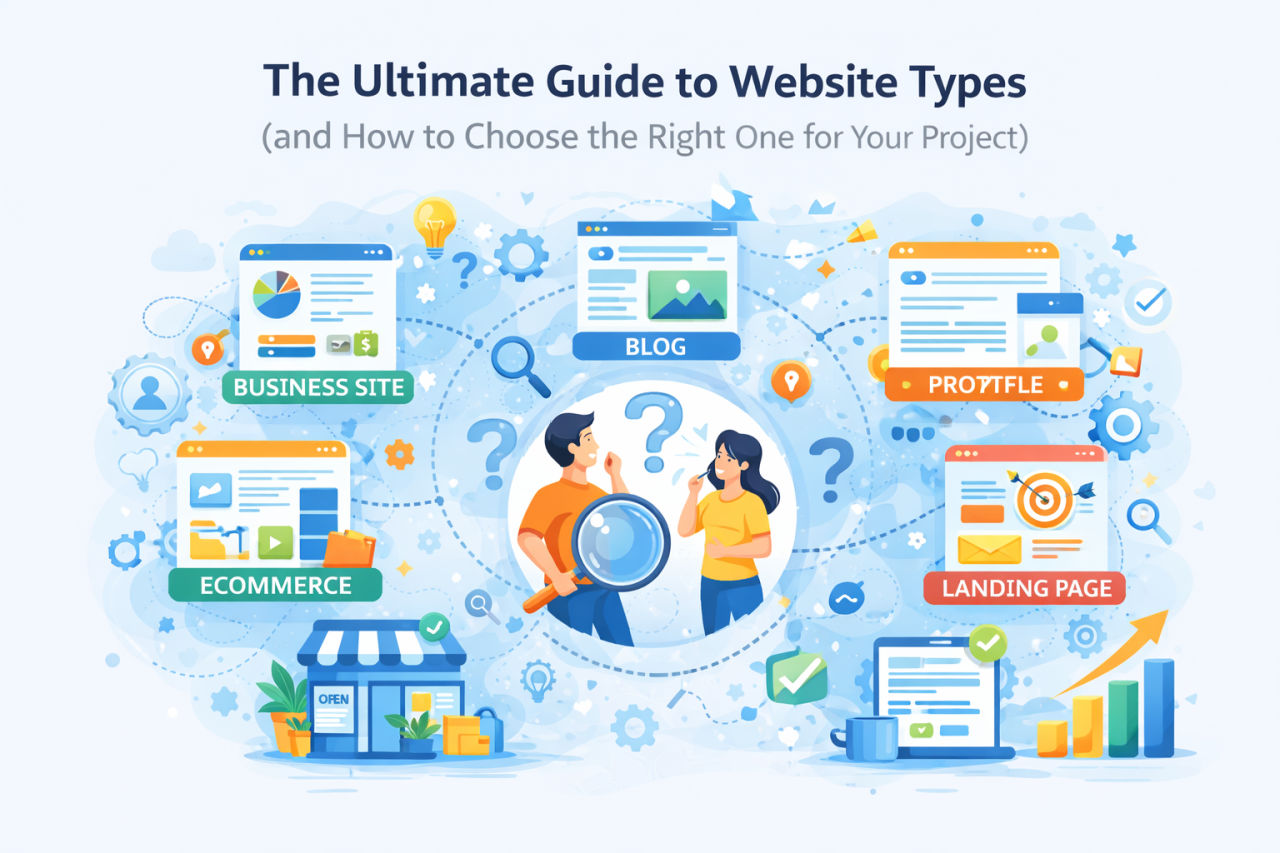
The Ultimate Guide to Website Types (and How to Choose the Right One for Your Project) - Blog
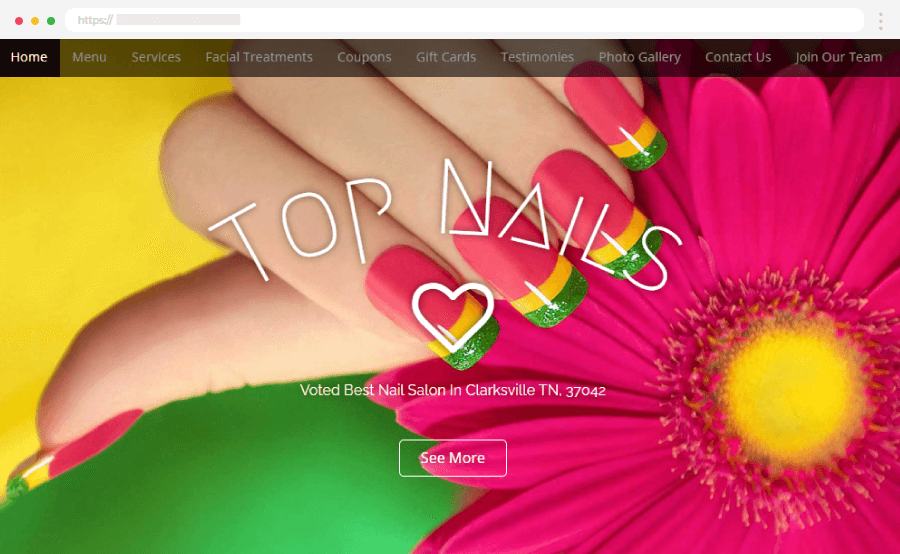
Salon Websites that WOW [+ Tips to Designing Your Own] by HTMLBURGER - Blog
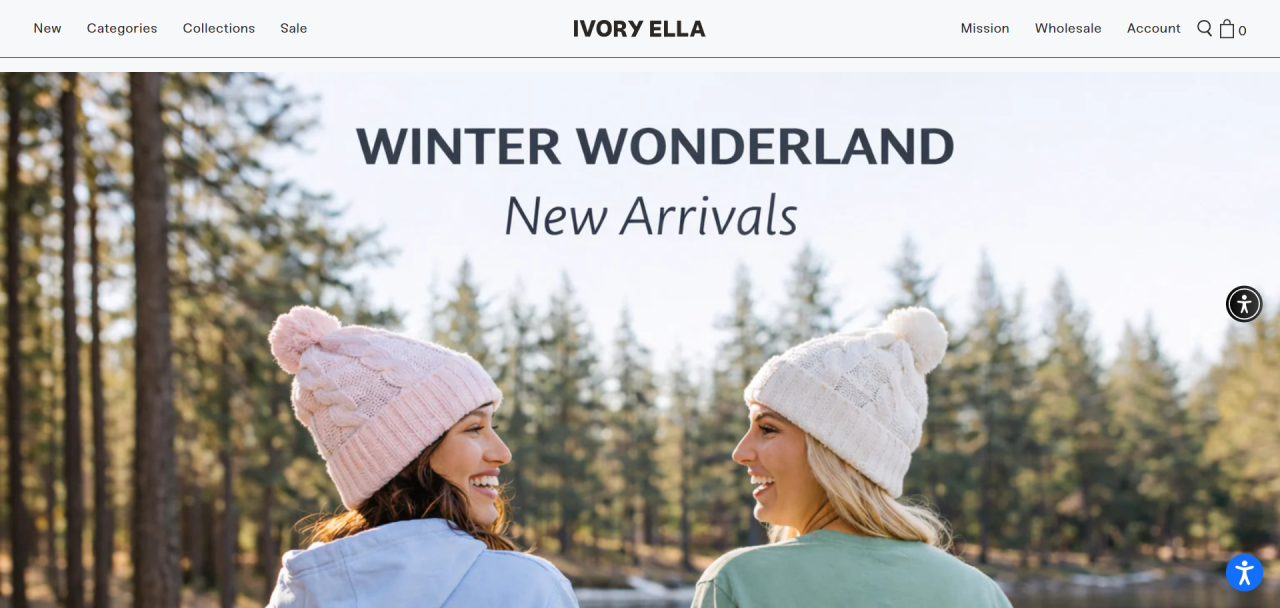
20 Best Small Business Websites by CyberOptik - Blog
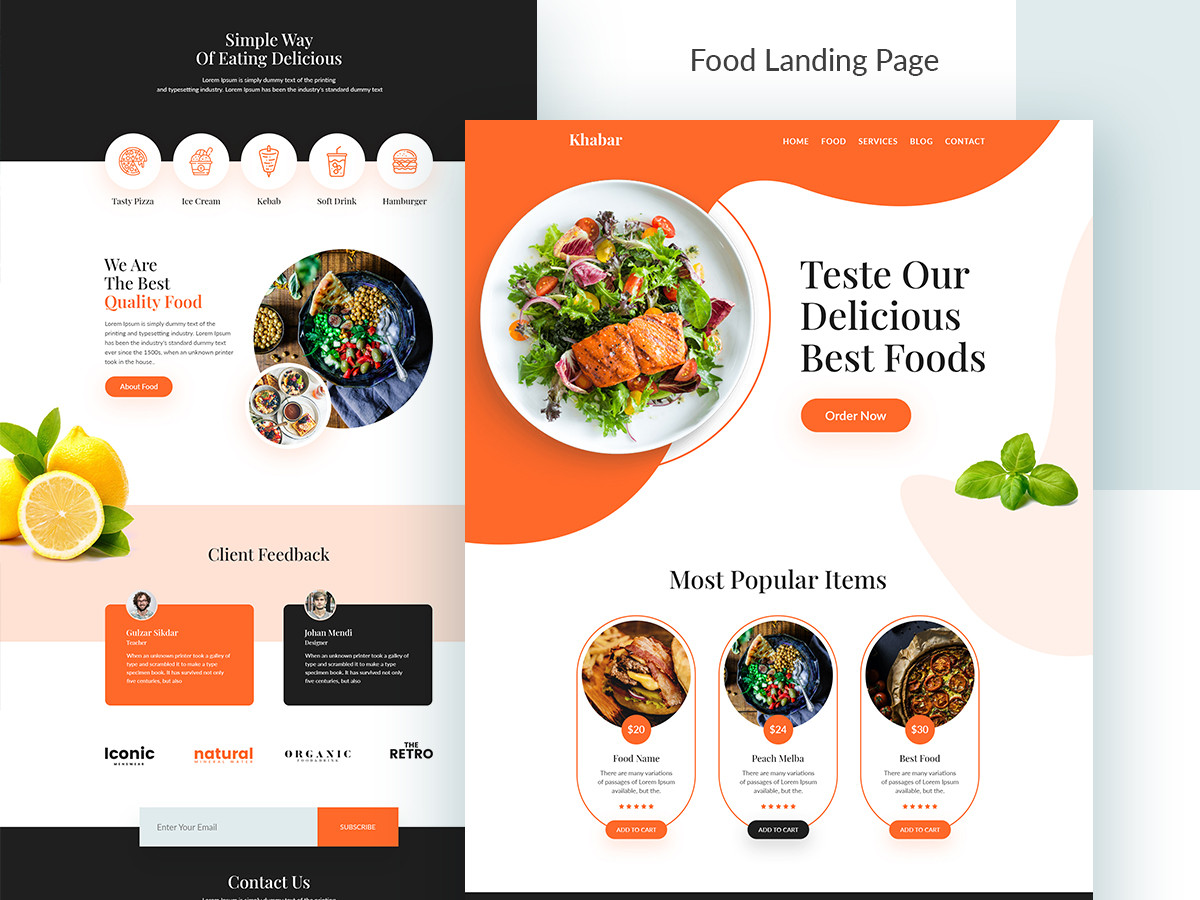
Best Landing Page Examples & Why They Convert - Blog
When you subscribe to the blog, we will send you an e-mail when there are new updates on the site so you wouldn't miss them.